
In modern industrial applications, Spiral Wound Gaskets are critical components that ensure sealing integrity in high-pressure and high-temperature environments. At Ningbo Kaxite Sealing Materials Co., Ltd, we understand that our commitment to stringent quality control directly affects the performance, durability, and reliability of our gaskets. This article explores the impact of quality control on Spiral Wound Gaskets, offering insights into production standards, material selection, testing protocols, and maintenance practices. Our analysis will guide engineers, procurement specialists, and maintenance teams to make informed decisions for optimal gasket performance.
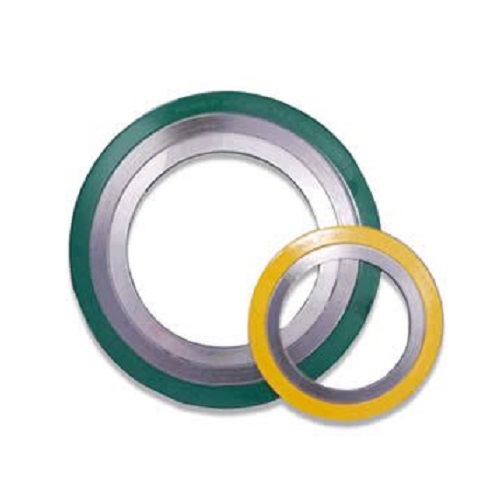
Quality control is a critical factor that determines the performance, reliability, and service life of Spiral Wound Gaskets. At Ningbo Kaxite Sealing Materials Co., Ltd, our factory places quality assurance at the center of our production process. Our rigorous quality control measures ensure that every gasket meets or exceeds industry standards and performs consistently under demanding operational conditions. Without proper quality control, gaskets may fail prematurely, leading to leaks, equipment downtime, and increased maintenance costs.
| Inspection Area | Method | Purpose |
| Metal Composition | Chemical analysis, tensile test | Ensure corrosion resistance and structural integrity |
| Filler Material | Density measurement, purity check | Maintain elasticity and chemical resistance |
| Dimensional Accuracy | Laser measurement, caliper check | Guarantee proper flange fit |
| Surface Finish | Visual inspection, flatness measurement | Prevent leaks and ensure sealing consistency |
| Final Product Testing | Pressure and compression tests | Verify long-term sealing performance |
At Ningbo Kaxite Sealing Materials Co., Ltd, our commitment to quality control ensures that every Spiral Wound Gasket leaving our factory delivers superior performance, reliability, and durability. By rigorously monitoring each stage of production and implementing strict inspection protocols, our factory guarantees that our gaskets perform optimally in diverse industrial applications.
Material selection plays a pivotal role in determining the service life, sealing efficiency, and reliability of Spiral Wound Gaskets. At Kaxite Sealing, our factory carefully selects high-quality metals and fillers to ensure that every gasket withstands the demands of pressure, temperature, and chemical exposure. Proper material choice minimizes the risk of leakage, corrosion, and premature failure, providing long-term performance in industrial applications.
| Component | Specification | Performance Advantage |
| Stainless Steel 304/316 | Thickness 0.2-0.5 mm | Resists corrosion, provides structural stability under high pressure |
| Graphite Filler | Density 1.2-1.5 g/cm³ | Maintains elasticity and sealing efficiency at high temperatures |
| PTFE Filler | Purity >99% | Chemically inert, ideal for aggressive media |
| Inner Ring | Carbon steel or stainless steel | Prevents over-compression, ensures concentricity |
| Outer Ring | Stainless steel | Maintains gasket stability in flange installation |
At Kaxite Sealing, our meticulous material selection process guarantees that our Spiral Wound Gaskets deliver reliable, long-term performance across various industrial applications. By combining high-quality metals, advanced filler materials, and precision engineering, our factory ensures that each gasket meets the demands of extreme environments, providing superior sealing, durability, and operational efficiency.
The manufacturing process for Spiral Wound Gaskets directly impacts their sealing performance, durability, and reliability in demanding industrial applications. At Ningbo Kaxite Sealing Materials Co., Ltd, our factory implements a rigorous and standardized production workflow to guarantee that every gasket meets our high-quality standards. Our approach ensures that Spiral Wound Gaskets consistently achieve optimal compression, elasticity, and sealing integrity.
Our factory begins with high-grade stainless steel strips, which are inspected for thickness, tensile strength, and surface finish. The strips are cleaned, leveled, and cut to precise dimensions using automated cutting systems to reduce human error.
The selected filler material, such as graphite or PTFE, is wound together with the metal strip in a controlled environment. This ensures uniform distribution of the filler and maintains consistent density across the entire gasket. Our factory monitors tension and winding alignment to prevent uneven compression during operation.
Spiral Wound Gaskets are then pressed to exact thickness specifications using calibrated compression equipment. Proper compression is critical for maintaining elasticity, preventing over-compression, and ensuring the gasket conforms perfectly to flange surfaces.
The inner and outer rings are integrated to provide structural support, prevent gasket over-compression, and maintain concentricity. Our factory ensures that each ring is precisely aligned to preserve sealing performance under high-pressure conditions.
After assembly, the gaskets undergo detailed visual and dimensional inspection. We check for surface irregularities, uneven winding, and any signs of material defects. Only gaskets that meet our stringent criteria are approved for packaging.
Finally, the gaskets are carefully packaged to prevent damage during transportation. Protective materials are used to maintain gasket integrity and prevent corrosion before they reach the end user.
| Process Step | Purpose | Quality Control Measure |
| Metal Strip Preparation | Ensure accurate dimensions and corrosion resistance | Tensile testing, surface inspection |
| Filler Integration & Winding | Uniform density and sealing consistency | Automated tension control, alignment check |
| Compression & Forming | Optimal elasticity and flange conformity | Thickness measurement, compression calibration |
| Inner & Outer Ring Assembly | Maintain structural stability and prevent over-compression | Dimensional alignment inspection |
| Final Inspection & Packaging | Defect detection and damage prevention | Visual inspection, protective packaging |
By following these manufacturing processes, our factory ensures that Spiral Wound Gaskets provide reliable performance, reduce the risk of leaks, and maintain long-term durability in industrial service. Each step is carefully monitored, allowing Ningbo Kaxite Sealing Materials Co., Ltd to deliver products that meet both standard and customized requirements, enhancing customer satisfaction and operational efficiency.
Testing and inspection are essential to ensure that Spiral Wound Gaskets perform reliably throughout their service life. At Ningbo Kaxite Sealing Materials Co., Ltd, our factory implements a comprehensive quality assurance program that evaluates every gasket under simulated real-world conditions. This process ensures that our gaskets meet strict industrial standards, providing consistent sealing performance, durability, and safety.
| Testing Method | Purpose | Benefit |
| Pressure Leak Test | Verify sealing under operational pressure | Reduces risk of field leakage and operational downtime |
| Compression Set Test | Measure elasticity after compression | Ensures long-term sealing efficiency and gasket recovery |
| Thermal Cycling | Simulate temperature fluctuations | Confirms gasket stability and thermal resistance |
| Corrosion Resistance | Expose to aggressive chemicals | Maintains material integrity and service life in harsh environments |
| Dimensional & Visual Inspection | Check thickness, flatness, and surface quality | Prevents leaks due to dimensional or surface defects |
Through rigorous testing and inspection, our factory guarantees that Spiral Wound Gaskets consistently deliver reliable performance in demanding industrial applications. By simulating real operational conditions and monitoring critical performance indicators, Ningbo Kaxite Sealing Materials Co., Ltd ensures that our gaskets maintain sealing integrity, durability, and customer confidence.
Quality control is the backbone of Spiral Wound Gasket performance. From raw material selection to precision manufacturing and rigorous testing, every step in our factory ensures that our gaskets meet the highest standards of reliability, durability, and safety. At Ningbo Kaxite Sealing Materials Co., Ltd, our commitment to quality control not only extends gasket lifespan but also optimizes operational efficiency, reducing maintenance costs and preventing unexpected downtime.
Investing in Spiral Wound Gaskets from our factory guarantees you superior performance and peace of mind in demanding industrial applications. Contact us today to explore how our high-quality gaskets can enhance your sealing solutions.
Q1: How does quality control prevent premature gasket failure?
By rigorously inspecting materials, controlling manufacturing processes, and performing detailed testing, our factory ensures that Spiral Wound Gaskets maintain optimal sealing integrity, reducing the risk of leaks or mechanical failure under operational conditions.
Q2: How do material inconsistencies affect gasket performance?
Inconsistent metal or filler properties can lead to uneven compression, loss of elasticity, and corrosion susceptibility, compromising gasket performance. Our quality control protocols verify material uniformity to avoid such issues.
Q3: How does precise manufacturing improve sealing efficiency?
Precision in winding, compression, and ring assembly ensures uniform density, accurate thickness, and proper fit within flanges. This consistency enhances sealing efficiency and prevents leak paths under pressure and temperature variations.
Q4: How does testing under extreme conditions validate gasket reliability?
Thermal cycling, leakage, and corrosion tests simulate real-world operational conditions. Our factory uses these tests to ensure Spiral Wound Gaskets maintain elasticity, structural integrity, and chemical resistance throughout their service life.
Q5: How does traceability contribute to quality assurance?
Each gasket is traceable to its production batch, enabling our factory to identify and correct deviations promptly. This traceability ensures consistent quality and builds confidence in the performance of our Spiral Wound Gaskets.